Choosing an EAS Security Gate for a Cosmetics Store
Cosmetics and beauty stores are among the highest-risk retail environments when it comes to theft. Products like lipstick, mascara, perfume, premium anti-aging creams, and nail polish are small but high in value, and they slip easily into a palm or a handbag. That very trait makes them a prime target for shoplifters. In this guide we walk through, in practical terms, exactly which kind of security gate, tag, and label suits a cosmetics and beauty store, and what to watch for when you buy.
Why does a cosmetics store need a security gate?
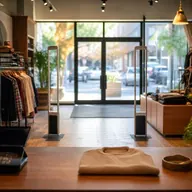
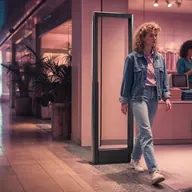
In beauty stores, customers typically pick up a product, examine it, and try the tester, and all that movement of stock across the shelves makes it hard for staff to keep a constant eye on things. Retailers will tell you that a big chunk of inventory loss (shrinkage) comes not from miscounting, but from small, repeated thefts. A retail anti-theft gate with an audible alarm does two things at once: it creates a psychological deterrent, and it flags the exact moment unprotected merchandise heads for the door.
- Small, expensive products are an easy target for theft.
- Heavy customer traffic reduces how much staff can watch by eye.
- Profit margins in this sector are high, so every theft is a direct hit.
- A gate gives the store a sense of security and professional order.
AM or RF technology: which is better for cosmetics?
There are two main technologies on the security-gate market: AM (acousto-magnetic, operating at 58 kHz) and RF (radio frequency, operating at 8.2 MHz). Choosing correctly between the two is the single most important decision you'll make.
| Feature | AM technology | RF technology |
|---|---|---|
| Operating frequency | 58 kHz | 8.2 MHz |
| Detection range | High (up to 180 cm) | Medium (up to 120 cm) |
| Sensitivity to metal and liquids | Low | High |
| False-alarm rate | Low | Relatively higher |
| Consumable label cost | Slightly higher | More economical |
In a cosmetics store full of metal canisters, alcohol-based perfumes, and mirrored packaging, AM technology is usually the safer bet, because it's less sensitive to metal and liquids and produces fewer false alarms. That said, if you're on a tighter budget and most of your products come boxed or cartoned, RF is a solid, cost-effective option too. The specialists at vista-eas.com can recommend the right technology based on your layout and product mix.
Choosing the right tags and labels for beauty products
A gate doesn't work on its own; what actually protects the merchandise is the hard tag or soft label attached to each product. In the beauty sector, where products are small and their packaging is delicate, choosing the right tag matters a great deal.
Soft labels
Thin stickers applied directly to the box of a lipstick, cream, or shampoo. They're ideal for packaged, single-use products, get deactivated at the checkout, and never need to be removed.
Hard tags
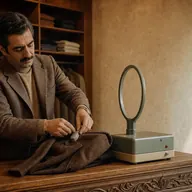
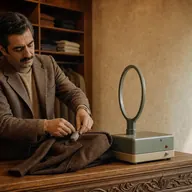
For boxless or high-value items like luxury perfumes, hard tags with a pin or a lanyard (looped cable) are used, and they're released at checkout with a special detacher magnet.
Safers and perfume-specific tags
Because perfumes are cylindrical and pricey, they're best kept inside a clear safer box or a bottle-specific loop tag, so they stay both visible and protected. You can browse the full range of tags and labels compatible with AM and RF gates at vista-eas.com.
- Boxed lipstick and mascara: soft label on the packaging
- Perfume and cologne: loop tag or safer box
- Boxless items: hard tag with pin
- Tester products on the shelf: anti-sweep tag
Installation and layout tips for the store entrance
Even the best gate will underperform if it's installed poorly. Keep a few key principles in mind:
- Aisle width: the distance between the two gate pedestals should not exceed the technology's range; for wide doorways, use a center pedestal or an extra antenna.
- Distance from metal and power: install the gate away from powered metal doors, electrical panels, and high-current cables to cut down on noise and false alarms.
- Checkout position: the label deactivator and the tag-release magnet should sit near the checkout and away from the gate antenna.
- Height and aesthetics: in a beauty store where looks matter, choose sleek glass or acrylic gates that blend with your decor.
Key criteria when buying a security gate
Before you buy, run through this checklist to make a confident choice:
- A valid warranty and in-country after-sales service
- Reliable supply of consumable labels and tags compatible with the device
- Technical support and professional installation by a specialist team
- Solid antenna build quality and stability against ambient noise
- Room to expand the system (adding a camera, barcode scanner, and receipt printer)
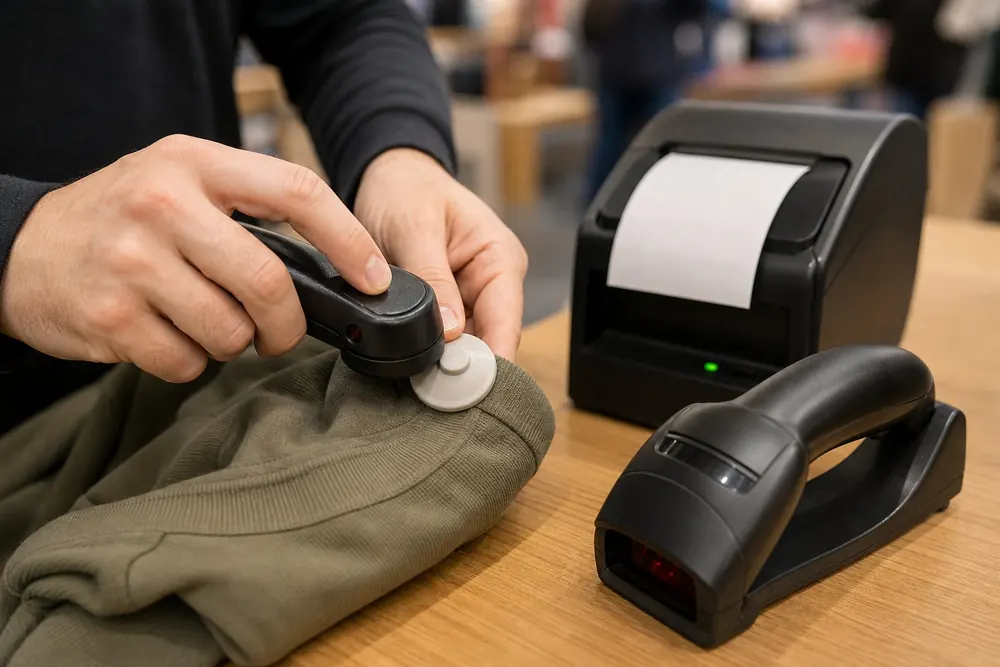
A professional beauty store usually needs more than just a gate; it also wants a barcode scanner, a thermal receipt printer, and CCTV cameras. Sourcing all of this from a single supplier like Vista Gate makes coordination and support far simpler.
Summary and buying advice
Choosing the right security gate for a cosmetics store comes down to a combination of picking the correct technology (usually AM), tags and labels suited to your product type, and proper installation. Investing in a quality anti-theft system pays for itself within a few months through reduced shrinkage. If you're not sure which model and technology are best for your space, get in touch with the Vista Gate specialists right now. By reviewing your entrance size, product type, and budget, our team recommends the best solution and takes care of full installation and support. For free advice and to view our products, visit vista-eas.com or call the store.