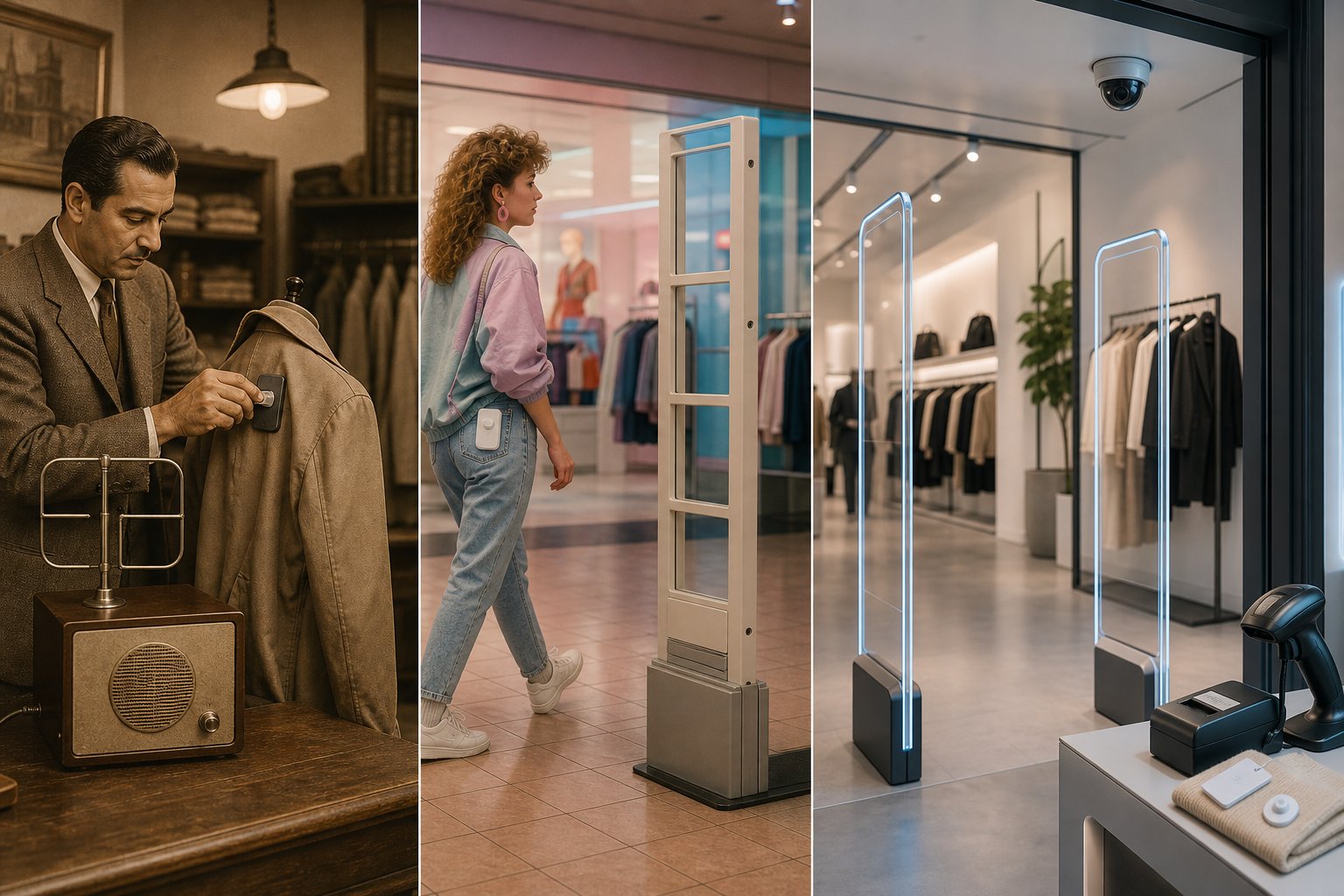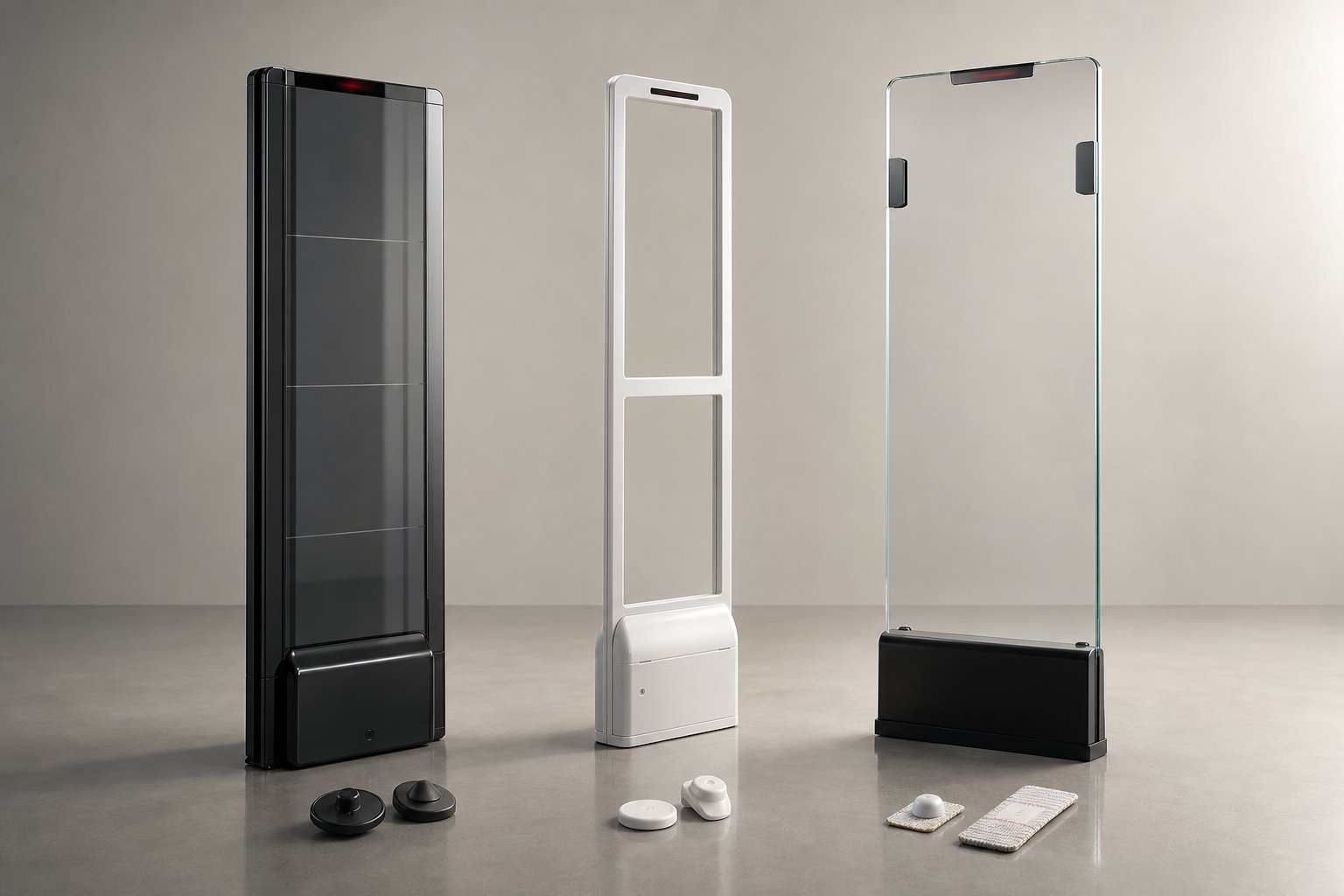

Why retail security gates are the best choice to reduce theft
September 22, 2025·Vista EAS
Why an EAS gate beats the alternatives
Cameras, mirrors, security guards and undercover staff each play a role in loss prevention, but none deliver the cost-per-prevented-incident that a properly tuned EAS gate does. Industry studies put EAS-driven shrink reduction in the 40 to 60 percent range, against single-digit improvements from cameras alone.
The economics
- One pair of pedestals covers a 3-metre door for around the price of two months of guard wages
- Soft labels add cents per item — invisible inside the cost of goods
- Hardware lifespan exceeds seven years with basic maintenance
Why it works behaviourally
An EAS gate is the only deterrent that creates a public, audible event at the moment of departure. Cameras require post-event review and a willing prosecutor. Mirrors rely on staff vigilance. A gate, by contrast, draws every nearby customer's attention to the offender — and that social pressure is what stops repeat behaviour more than any camera.
Vista EAS designs systems with that behavioural effect in mind, not just the alarm itself.